In Garissa County, erratic rainfall and prolonged droughts are a constant threat. For many pastoralist families, livestock that was once a reliable source of income and food can no longer withstand the harsh effects of climate change.
Siyat Nur, a pastoralist from Modogashe, knows this struggle well. After losing 22 goats to drought and selling the rest at minimal value, he was left without a reliable livelihood. Providing for my family became a daily struggle. We had fewer meals, and food prices kept rising,
he recalls.
Through the Strengthening Community Resilience and Economic Empowerment Project (SHEEP), supported by Islamic Relief USA, Siyat joined 239 other agro-pastoralists in training on climate smart agriculture. With these new skills he invested in two acres of land and began growing maize, beans, tomatoes and watermelons, diversifying his income and improving his family’s food security.
I now combine farming with livestock keeping. This has given me a more stable way to provide for my family,
he says.
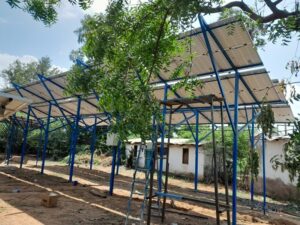
Beyond individual change, the project is strengthening community resilience through boreholes and dams, training in fodder production for dry periods, and local disaster risk reduction committees that improve early warning and preparedness.
Story from the Islamic Relief Kenya Annual Report 2025.