Poverty in arid and semi-arid regions of Kenya is driven by economic exclusion, limited access to essential services, climate shocks, inequality, and weak accountability systems. These factors reinforce one another across generations. Islamic Relief Kenya addresses both immediate needs and structural drivers through integrated programmes that strengthen livelihoods, improve service delivery, advance inclusion, and build resilience.
We strengthen family income and local economies through:
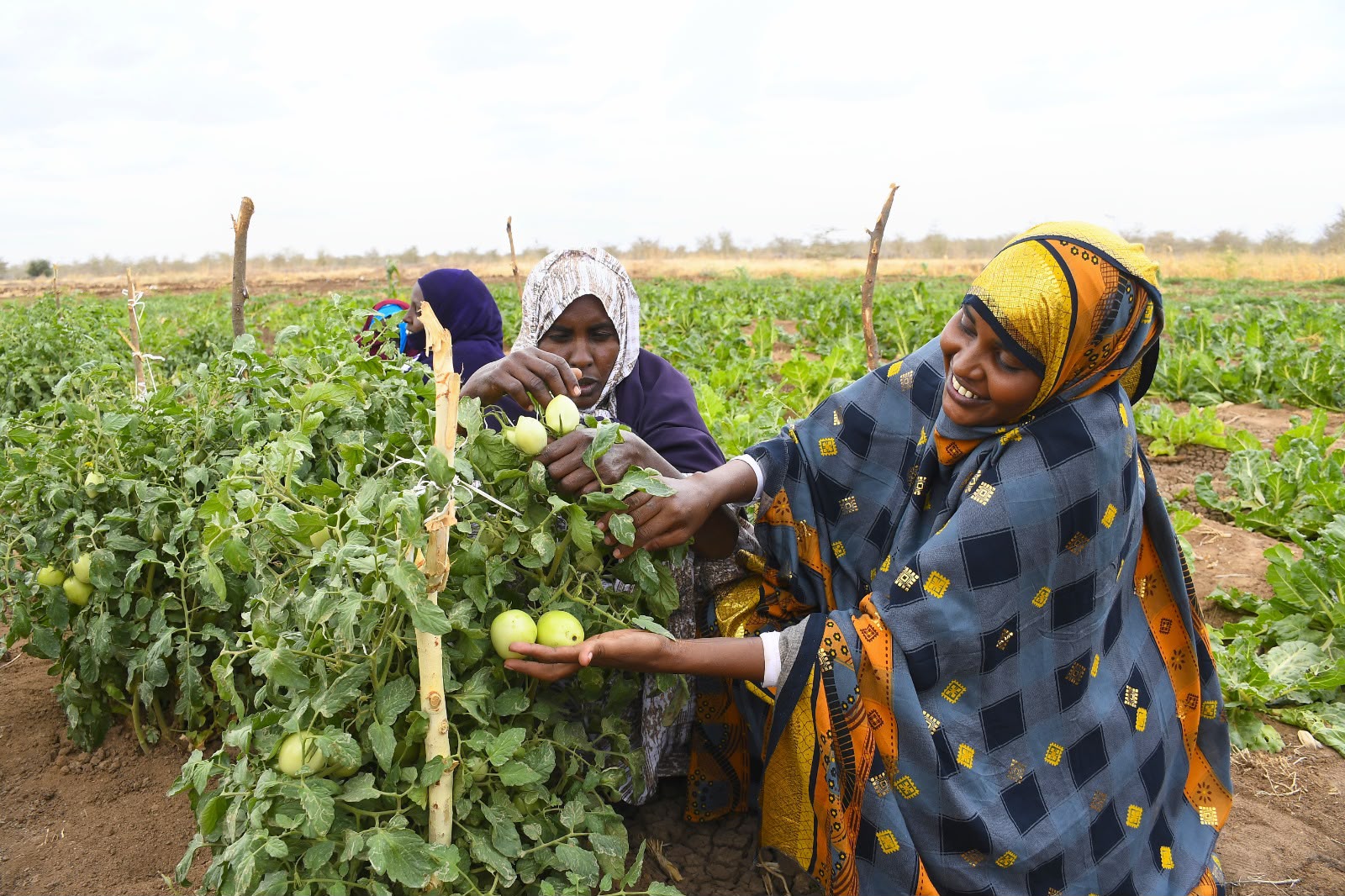
These interventions increase earning capacity and reduce vulnerability to shocks. Ten crop farming groups were supported with irrigation systems, assorted farming tools, inputs, post-harvest management training, extension services, and cooperative strengthening. The installed irrigation systems allow year-round cultivation, freeing farmers from the uncertainties of rainfall.
Limited access to healthcare, education, water, sanitation, and energy establishes poverty. We invest in:
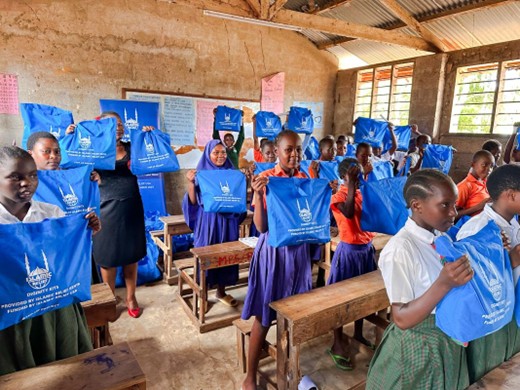
At Mapimo Primary School, the construction of three new classrooms and renovation of two existing ones transformed the learning environment for 2,460 students. The provision of 200 learner-friendly desks and distribution of dignity kits to 100 adolescent girls significantly improved attendance and reduced drop-out rates. The construction of three VIP latrines further improved hygiene and sanitation conditions.
Systemic barriers limit participation for girls, women and marginalised groups. For stable and equitable communities, we work to:
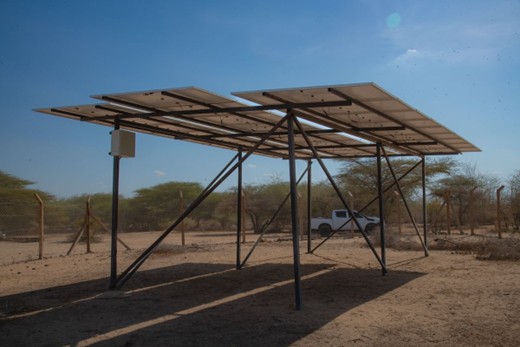
Climate stress and resource scarcity intensify vulnerability and tension. We support:
These measures protect livelihoods while strengthening peaceful co-existence.
Emergency assistance is designed to stabilise communities while creating pathways toward recovery and self-reliance. By connecting humanitarian response with long-term development, we help communities move beyond recurring crisis.
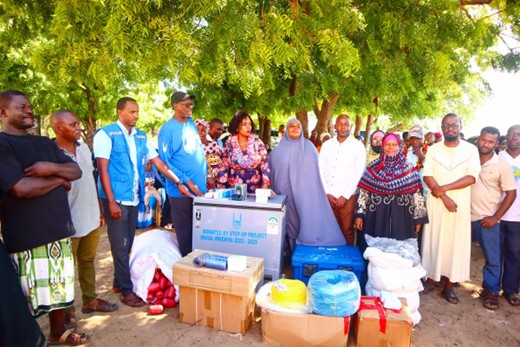
Under the STEP-UP Project, ten fisher groups from Ngomeni Beach Management Unit were supported with fishing gears, boats, nets, solar-powered preservation equipment, and motorcycles for transportation. These interventions enabled fisherfolks to expand capacity, reduce post-harvest losses, and access more profitable markets. Fishermen also received training in sustainable fishing practices and resource management, strengthening long-term sustainability of fishing livelihoods.