Access to quality healthcare and adequate nutrition remains a challenge in many of the communities where we work. Long distances to health facilities, limited equipment, and shortages of trained personnel affect service delivery, particularly for children and mothers.
Islamic Relief Kenya strengthens community health systems and expands access to essential services through integrated health, nutrition, and child wellbeing programming.
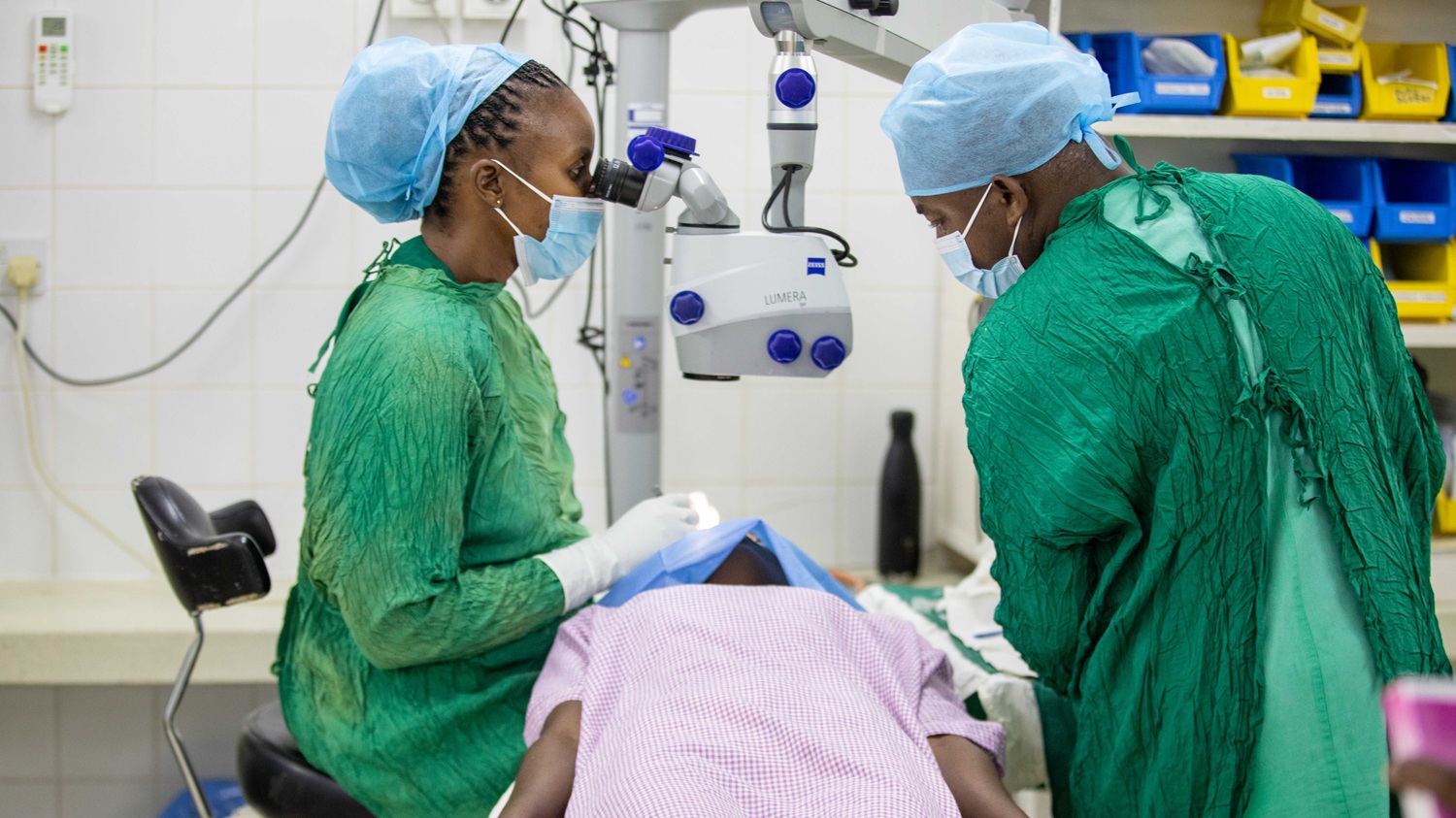
Where specialised services are inaccessible, we provide targeted medical support, including cataract surgeries that restore sight and improve quality of life for vulnerable patients.
Health outcomes are closely linked to awareness and social norms. We promote health education to increase access to information and encourage safer, healthier practices.
We promote health education through:
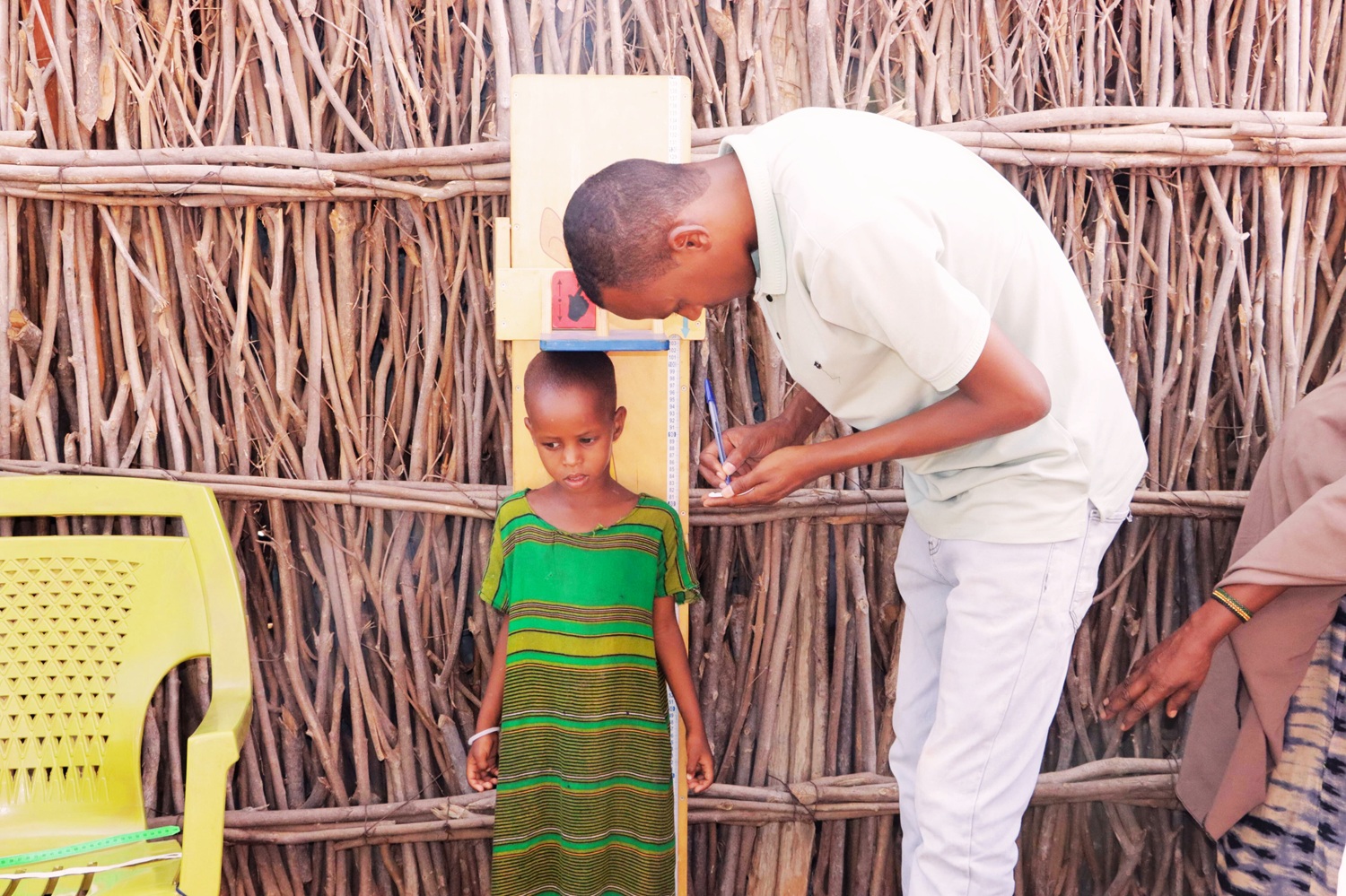
Malnutrition continues to affect children under five and pregnant and lactating women in vulnerable households. To improve early detection of malnutrition and promote healthier child development, we support:
Sustainable health outcomes depend on functional local systems.
To improve service delivery and strengthen frontline healthcare, we build local capacity by:
Adolescents often face gaps in health information and support.
To enable young people make informed decisions and build their confidence during critical stages of development, through structured mentorship camps, we provide:
Community health is influenced by the surrounding environment.
We support community clean-up initiatives, installation of waste bins in public areas and conduct community awareness on plastic waste management. Improving environmental hygiene reduces disease risks and promotes healthier living conditions.
Through community outreach, system strengthening, infrastructure support, and targeted medical interventions, we improve access to essential services and promote better health, nutrition, and child wellbeing.